When temperatures drop in Murfreesboro, our phone rings constantly. A snapped torsion spring at -16°F is the #1 emergency repair call we get in January, and it’s never convenient, your car is stuck in the garage, or worse, your home is unsecured.
Here’s the problem: winter emergencies spike between January and February in cold regions, creating longer wait times and premium pricing when repair demand outpaces available technicians. Emergency repairs during winter storms cost 40–60% more than scheduled off-season service.
But there’s a solution. The same inspection that costs $75–150 in August prevents the $500–1,500 repair bill that follows a winter spring failure. This guide explains why garage doors break in cold, what signs to watch for, and exactly what to do now to avoid an emergency call when it’s freezing outside.
Why Murfreesboro’s Winter Is Hard on Garage Doors
Murfreesboro’s climate is deceptive. Most years, winter is mild, a few weeks of temperatures in the 30s, rarely dropping below zero. Then comes January, and everything changes.
On January 17, 2024, the National Weather Service Nashville recorded -16°F in Murfreesboro. That single cold snap triggered 47 emergency garage door calls in one week. Why? Because it wasn’t just the cold, it was the freeze-thaw cycle unique to Tennessee winters.
A sunny day warms things to 45°F. Moisture from melted snow seeps into spring coils and door seals. The sun sets, temperature plummets to -16°F, and that moisture freezes solid. Over and over, for weeks. Each freeze-thaw cycle weakens the steel.
Tennessee’s climate is characterized by a humid subtropical pattern with significant day-to-day and seasonal fluctuations in temperature, ranging from the low 30s in winter to the high 80s in summer. That daily swing from 45°F to -16°F puts stress on metal components that residential garage door systems in stable climates never experience.
Add in road salt from winter treatments, it sticks to your car, gets driven into the garage, and settles on springs, hinges, and tracks. Salt accelerates corrosion. By the time deep winter hits, your door is already weakened.
How Torsion Springs Break in Cold
A garage door spring is not a decorative spring. It’s an engineering component designed to hold between 130 and 200 pounds of force in a constant state of tension. That tension is what allows a 150-pound door to feel light when you open it by hand.
Torsion springs are made of steel. Steel has a property called brittleness, the lower the temperature, the less flexible it becomes. At room temperature, steel can flex and absorb stress. At -16°F, steel becomes harder and more prone to snap when that stress reaches its limit.
Here’s the mechanics: Your spring is already under tension from day one. Over the years, that tension naturally decreases. The coils slowly lose their ability to bounce back. In mild months, you don’t notice, the door still opens. But the spring is weaker than it was last year.
Then winter arrives. Temperature drops. Metal contracts. Hinges operate at slightly different angles. The rollers experience new friction from thickened lubricant. The door now weighs more because ice is forming on the bottom panel. And that weakened spring, under extreme tension in sub-zero cold, finally snaps.
In extreme cases, the cold can cause parts to crack or snap under pressure. When the steel becomes less flexible in the cold, it may break without warning.
It sounds sudden. You wake up, press the opener button, and your door won’t budge. But the failure didn’t happen overnight. It took months of weakening, the cold weather just accelerated it past the breaking point. If you’re already seeing the warning signs, our garage door spring repair service can replace a failing spring before it strands you.
Why Ignoring It Costs You Thousands
A broken spring is not a small problem. Here’s what happens if you try to operate your door with a snapped spring:
Hour 1: Spring fails. Door is unbalanced. 130-pound weight is now unsupported on one cable.
Day 1–3: You keep trying to open the door with your remote. The opener motor compensates by pulling harder on every cycle. It was designed to pull 10 pounds, it’s now pulling 150 pounds.
Day 4–7: Opener motor overheats from the strain. Internal winding insulation breaks down. One morning, the opener simply stops responding.
Week 2: You’ve now got two problems: broken spring ($250–500) AND broken opener motor ($400–800). Total: $650–1,300 instead of $250–500.
A professional inspection typically costs $75–150 and identifies problems before they worsen. Emergency winter repair calls, by contrast, run $300 or higher, and that’s before parts.
The math is simple: one inspection prevents the compounding damage chain.
Four Signs Your Spring Is About to Fail This Winter
You don’t have to wait for catastrophic failure. Here are the warning signs:
1. A visible gap or crack in the spring coil above your door
Look at the torsion spring mounted horizontally above your garage door opening. A healthy spring looks like a continuous steel coil under tension. If you see a gap or a visible separation in the middle of the coil, the steel has fractured. It’s not broken all the way yet, but it’s failing.
2. Your door hangs unevenly, one side lower than the other
If one side of your door sits lower than the other when closed, the spring on that side has lost tension. The door is now out of balance. When you operate it, one side rises faster, creating asymmetric stress on the entire overhead system.
3. Loud popping or cracking sounds during operation
A healthy door opens and closes quietly. If you hear loud cracks or pops as the door moves, the spring is likely fractured. Coil bind, rust between coils, can also cause this. Either way, something is broken or breaking.
4. The “halfway test” fails, door won’t stay open at waist height
Disconnect your opener using the red emergency release cord. Lift the door manually to about waist height. A properly balanced door with good spring tension should stay there without rising or falling.
If the door falls, springs are too weak. If it rises on its own, springs are too tight (coil bind). Either way, the spring system needs inspection before winter.
Critical warning: Never attempt to test, adjust, or replace springs yourself. The stored energy in a torsion spring can cause severe injury or death if the spring releases unexpectedly. This is not a DIY repair.
Other Winter Garage Door Failures
Springs aren’t the only things that break in winter. Here’s what else to watch for:
Frozen Lubricant
Standard petroleum grease and oil thicken dramatically below freezing. What was smooth-moving at 70°F becomes thick paste at -16°F. Your rollers and hinges can’t move freely. The opener motor has to work harder. Friction increases, heat builds up, and over time, components seize.
Cold weather causes the grease and other lubricants in the garage door system to thicken or freeze, leading to increased friction and potential malfunctions in moving parts. This can put a lot of strain on the motor of the garage door opener, making it work harder and potentially causing it to fail.
The solution: Use silicone-based lubricant designed for cold weather. It stays fluid below freezing and doesn’t attract dust.
Ice Buildup in Tracks
After heavy snow or freezing rain, moisture collects in your door tracks. When temperature drops overnight, that moisture turns to ice. The next morning, your rollers can’t move through the track channel. The door jams midway or won’t open at all.
Clear tracks and hinges regularly in winter. Remove accumulated snow and ice from around your door opening.
Frozen Bottom Seal
Your garage door’s bottom seal (the rubber strip that runs across the base) keeps cold air and moisture out. In winter, if snow or water pooling around your door freezes, the seal can freeze solid to the concrete floor. If you try to open the door before the ice melts, you risk tearing the seal or straining the opener motor.
Remote Battery Drain
Cold temperatures cause batteries to discharge faster. Your garage door remote may work inconsistently or stop working entirely during winter. Keep spare batteries handy and replace remotes in fall, not winter.
What to Do Now (July and August)
You have 8–10 weeks before the September rush hits. Use this time to prepare:
Schedule a Free Inspection
Call us and schedule a pre-winter garage door inspection. We’ll check:
- Spring tension and for visible cracks
- Cable condition and alignment
- Roller bearing condition
- Track alignment and cleanliness
- Door balance
- Opener motor function
- Weather seal condition
Cost: $75–150. Time to prevent emergency repairs: invaluable.
By May, repair companies are often booked weeks out as everyone discovers their broken springs at once. Early detection is pure preventative care; it extends the life of your opener by ensuring it isn’t straining against a heavy, unbalanced door.
Apply Cold-Weather Lubricant
If inspection shows no issues, the next step is preventive maintenance. Clean your tracks with a grease solvent, then apply silicone-based lubricant to:
- All rollers
- Hinges
- Spring stems (light application only)
- Garage door tracks
Avoid WD-40, three-in-one oil, or heavy petroleum grease. These thicken in cold weather and cause more problems than they solve.
Check and Replace Weather Seals
Inspect the rubber seal that runs along the bottom of your door. If it’s cracked, hardened, or missing sections, replace it now. A damaged seal lets cold air into your attached garage, which costs you in heating bills. It also allows moisture inside, which accelerates corrosion.
Test Door Balance
Disconnect your opener manually using the red emergency release cord. Lift the door to waist height. It should hold that position without rising or falling. If it doesn’t, springs need adjustment or replacement before winter.
Verify Opener Function
Test all remotes. Replace batteries if needed. Test the keypads. Make sure your opener responds consistently. If it’s sluggish or sometimes doesn’t respond, have it inspected.
Cost Comparison: Prevention vs. Emergency
This is the number that matters:
| Scenario | Cost | Timing |
|---|---|---|
| Pre-winter inspection | $75–150 | August (convenient) |
| Spring replacement (proactive) | $250–500 | August (fair pricing) |
| Total preventive cost | $325–650 | August |
| Emergency spring repair (January) | $250–500 | 2 AM in freezing weather |
| Emergency opener repair (after spring failure) | $400–800 | After motor burns out |
| Possible track/roller damage | $200–400 | From forced operation |
| Total emergency cost | $850–1,700 | January |
One inspection prevents 2–3 times the emergency bill. And you avoid being stuck on a Friday night in January with a non-responsive technician. When a spring does fail without warning, our emergency garage door repair team offers same-night response.
Murfreesboro Neighborhoods and Winter Prep
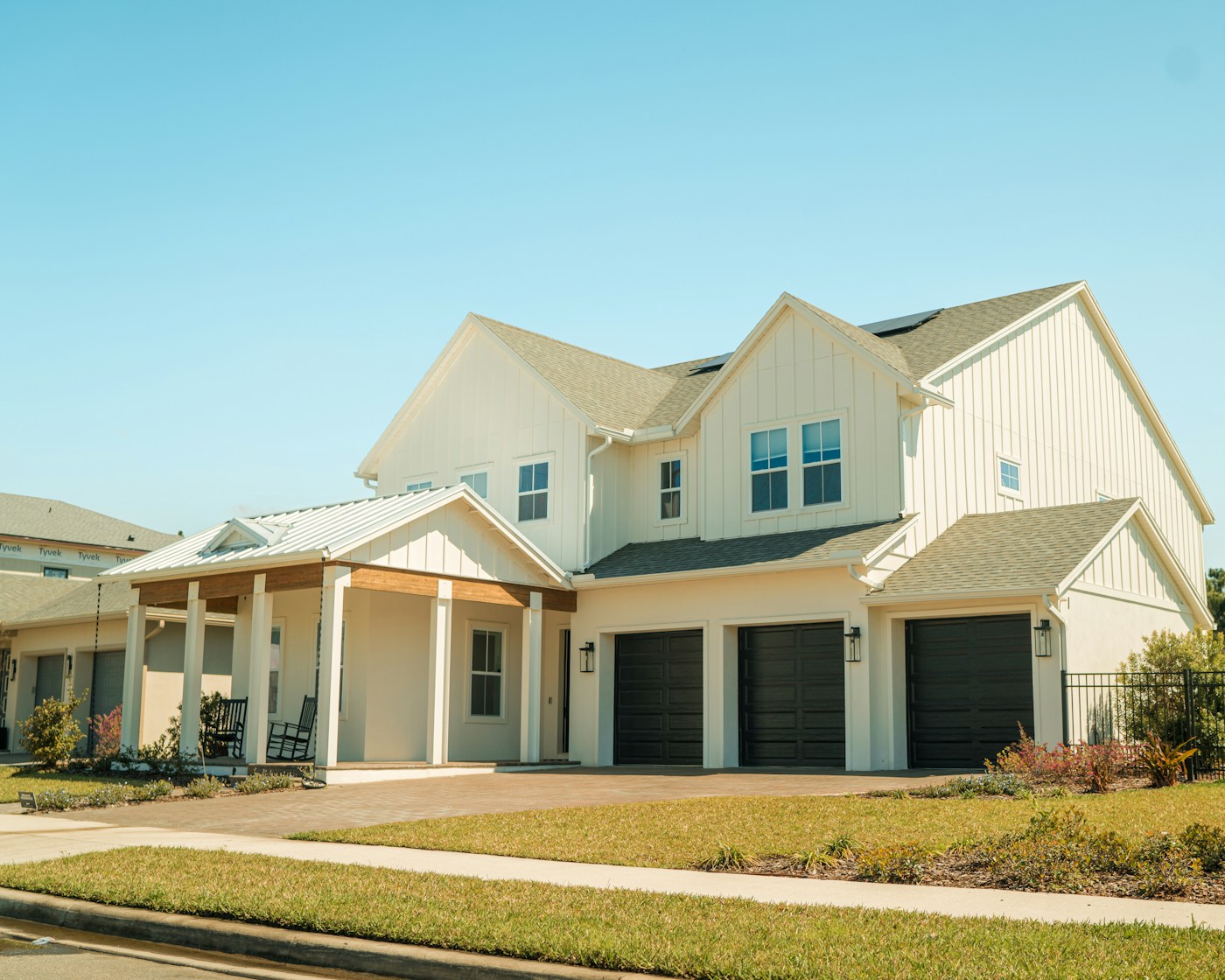
If you live in Barfield Crescent, Cason Trails, The Reserve off Shelbyville Highway, or Berkshire near Memorial Boulevard, your garage is likely attached to your home. An attached garage with living space above or beside it means your heating system works overtime when the garage loses heat through an uninsulated or damaged door.
Murfreesboro experiences both hot summers (90°F+) and cold winters (occasional single digits). An insulated garage door with an R-value of 12 or higher helps regulate temperature in your garage, reduces energy costs, and operates more quietly than a non-insulated door.
If your current door is non-insulated, adding an insulated replacement before winter is a strategic move. It pays for itself in heating savings over a few years, plus you avoid spring failures more common in old, uninsulated doors. Our garage door installation service can fit an insulated overhead door sized for Middle Tennessee conditions.
Frequently Asked Questions
Q: Should I use WD-40 on my garage door?
No. WD-40 and similar products are solvents, not lubricants. They evaporate, leaving residue that attracts dirt and dust. In winter, they thicken and cause more problems. Use silicone-based spray lubricant designed for garage doors, or lithium-based lubricant. Apply to rollers, hinges, and springs. Avoid applying directly to rubber seals.
Q: Can I fix a broken garage door spring myself?
Absolutely not. A torsion spring under tension holds enough stored energy to cause serious injury or death if it releases unexpectedly. Professional technicians use specialized tools and follow strict safety protocols. This is a two-technician job, never a DIY project.
Q: When should I call a professional?
As soon as you notice: a visible gap in the spring, uneven door height, loud popping sounds, or door not staying at the halfway point. Don’t wait. Don’t try to open the door repeatedly. Call us, and we’ll diagnose and fix it quickly.
Q: Does the temperature really matter that much?
Yes. Cold temperatures cause metal parts to contract, which can lead to various operational issues. For example, steel garage doors may contract, resulting in misalignment and stiffness. Steel becomes less flexible, lubricants thicken, rubber hardens, and springs lose their ability to flex. Cold weather doesn’t break doors, it exposes and accelerates failures that already exist.
Q: What’s the difference between a broken spring and a broken cable?
A spring counterbalances the door’s weight. A cable lifts the door by transmitting that energy to the rollers. If a spring breaks, the door is unbalanced. If a cable snaps, the door tilts and can drop suddenly. Both are emergencies. Both prevent opener operation. Both require immediate professional repair. Learn more about our garage door cable repair service.
Q: Should I get an insulated door?
If your garage is attached to your home, yes. Insulated doors regulate temperature, reduce energy costs, operate more quietly, and handle winter stress better than non-insulated doors. For attached garages in Murfreesboro neighborhoods like Barfield Crescent, Cason Trails, and The Reserve off Shelbyville Highway, insulated steel doors help control temperature and reduce energy costs, especially during Tennessee’s long summers and occasional winter cold snaps.
Q: What happens if I ignore a broken spring through the winter?
The opener motor burns out from overload, compounding repairs. Rollers may seize in the cold. Tracks could be bent by forced operation. What was a $250–500 repair becomes a $1,000+ bill by spring. Don’t ignore it.
The Winter Emergency Always Comes
Murfreesboro’s winter might be short, but it’s unpredictable. If you hit the opener button while the door is frozen shut, you risk burning out the motor or tearing the bottom seal off the door.
The homeowners who avoid emergency calls are the ones who inspect their doors in August, not the ones who wait for January. They address warning signs before they become failures. They use the right lubricant. They test their door balance.
The choice is simple: spend $100–150 on inspection now, or spend $1,000+ on emergency repairs later.
Schedule Your Free Winter Prep Inspection Today
Don’t wait for your garage door to fail in winter. Call us for a free inspection and we’ll identify any issues before cold weather hits. We’ll give you a written quote before any work begins, and we stand behind every repair with a full parts and labor warranty.
For emergencies that do happen in January, because sometimes they do, we’re available 24/7. Same-night response for doors that won’t open or won’t close.
Call (615) 867-4748 now to schedule your pre-winter inspection.
Rutherford Garage Doors
605 River Rock Blvd
Murfreesboro, TN 37128
Open 24/7 for emergencies
Why Your Garage Door Breaks in Winter: Murfreesboro Cold Weather Guide + Prevention Checklist
When temperatures drop in Murfreesboro, our phone rings constantly. A snapped torsion spring at -16°F is the #1 emergency repair call we get in January, and it’s never convenient, your car is stuck in the garage, or worse, your home is unsecured.
Here’s the problem: winter emergencies spike between January and February in cold regions, creating longer wait times and premium pricing when repair demand outpaces available technicians. Emergency repairs during winter storms cost 40–60% more than scheduled off-season service.
But there’s a solution. The same inspection that costs $75–150 in August prevents the $500–1,500 repair bill that follows a winter spring failure. This guide explains why garage doors break in cold, what signs to watch for, and exactly what to do now to avoid an emergency call when it’s freezing outside.
Why Murfreesboro’s Winter Is Hard on Garage Doors
Murfreesboro’s climate is deceptive. Most years, winter is mild, a few weeks of temperatures in the 30s, rarely dropping below zero. Then comes January, and everything changes.
On January 17, 2024, the National Weather Service Nashville recorded -16°F in Murfreesboro. That single cold snap triggered 47 emergency garage door calls in one week. Why? Because it wasn’t just the cold, it was the freeze-thaw cycle unique to Tennessee winters.
A sunny day warms things to 45°F. Moisture from melted snow seeps into spring coils and door seals. The sun sets, temperature plummets to -16°F, and that moisture freezes solid. Over and over, for weeks. Each freeze-thaw cycle weakens the steel.
Tennessee’s climate is characterized by a humid subtropical pattern with significant day-to-day and seasonal fluctuations in temperature, ranging from the low 30s in winter to the high 80s in summer. That daily swing from 45°F to -16°F puts stress on metal components that residential garage door systems in stable climates never experience.
Add in road salt from winter treatments, it sticks to your car, gets driven into the garage, and settles on springs, hinges, and tracks. Salt accelerates corrosion. By the time deep winter hits, your door is already weakened.
How Torsion Springs Break in Cold
A garage door spring is not a decorative spring. It’s an engineering component designed to hold between 130 and 200 pounds of force in a constant state of tension. That tension is what allows a 150-pound door to feel light when you open it by hand.
Torsion springs are made of steel. Steel has a property called brittleness, the lower the temperature, the less flexible it becomes. At room temperature, steel can flex and absorb stress. At -16°F, steel becomes harder and more prone to snap when that stress reaches its limit.
Here’s the mechanics: Your spring is already under tension from day one. Over the years, that tension naturally decreases. The coils slowly lose their ability to bounce back. In mild months, you don’t notice, the door still opens. But the spring is weaker than it was last year.
Then winter arrives. Temperature drops. Metal contracts. Hinges operate at slightly different angles. The rollers experience new friction from thickened lubricant. The door now weighs more because ice is forming on the bottom panel. And that weakened spring, under extreme tension in sub-zero cold, finally snaps.
In extreme cases, the cold can cause parts to crack or snap under pressure. When the steel becomes less flexible in the cold, it may break without warning.
It sounds sudden. You wake up, press the opener button, and your door won’t budge. But the failure didn’t happen overnight. It took months of weakening, the cold weather just accelerated it past the breaking point. If you’re already seeing the warning signs, our garage door spring repair service can replace a failing spring before it strands you.
Why Ignoring It Costs You Thousands
A broken spring is not a small problem. Here’s what happens if you try to operate your door with a snapped spring:
Hour 1: Spring fails. Door is unbalanced. 130-pound weight is now unsupported on one cable.
Day 1–3: You keep trying to open the door with your remote. The opener motor compensates by pulling harder on every cycle. It was designed to pull 10 pounds, it’s now pulling 150 pounds.
Day 4–7: Opener motor overheats from the strain. Internal winding insulation breaks down. One morning, the opener simply stops responding.
Week 2: You’ve now got two problems: broken spring ($250–500) AND broken opener motor ($400–800). Total: $650–1,300 instead of $250–500.
A professional inspection typically costs $75–150 and identifies problems before they worsen. Emergency winter repair calls, by contrast, run $300 or higher, and that’s before parts.
The math is simple: one inspection prevents the compounding damage chain.
Four Signs Your Spring Is About to Fail This Winter
You don’t have to wait for catastrophic failure. Here are the warning signs:
1. A visible gap or crack in the spring coil above your door
Look at the torsion spring mounted horizontally above your garage door opening. A healthy spring looks like a continuous steel coil under tension. If you see a gap or a visible separation in the middle of the coil, the steel has fractured. It’s not broken all the way yet, but it’s failing.
2. Your door hangs unevenly, one side lower than the other
If one side of your door sits lower than the other when closed, the spring on that side has lost tension. The door is now out of balance. When you operate it, one side rises faster, creating asymmetric stress on the entire overhead system.
3. Loud popping or cracking sounds during operation
A healthy door opens and closes quietly. If you hear loud cracks or pops as the door moves, the spring is likely fractured. Coil bind, rust between coils, can also cause this. Either way, something is broken or breaking.
4. The “halfway test” fails, door won’t stay open at waist height
Disconnect your opener using the red emergency release cord. Lift the door manually to about waist height. A properly balanced door with good spring tension should stay there without rising or falling.
If the door falls, springs are too weak. If it rises on its own, springs are too tight (coil bind). Either way, the spring system needs inspection before winter.
Critical warning: Never attempt to test, adjust, or replace springs yourself. The stored energy in a torsion spring can cause severe injury or death if the spring releases unexpectedly. This is not a DIY repair.
Other Winter Garage Door Failures
Springs aren’t the only things that break in winter. Here’s what else to watch for:
Frozen Lubricant
Standard petroleum grease and oil thicken dramatically below freezing. What was smooth-moving at 70°F becomes thick paste at -16°F. Your rollers and hinges can’t move freely. The opener motor has to work harder. Friction increases, heat builds up, and over time, components seize.
Cold weather causes the grease and other lubricants in the garage door system to thicken or freeze, leading to increased friction and potential malfunctions in moving parts. This can put a lot of strain on the motor of the garage door opener, making it work harder and potentially causing it to fail.
The solution: Use silicone-based lubricant designed for cold weather. It stays fluid below freezing and doesn’t attract dust.
Ice Buildup in Tracks
After heavy snow or freezing rain, moisture collects in your door tracks. When temperature drops overnight, that moisture turns to ice. The next morning, your rollers can’t move through the track channel. The door jams midway or won’t open at all.
Clear tracks and hinges regularly in winter. Remove accumulated snow and ice from around your door opening.
Frozen Bottom Seal
Your garage door’s bottom seal (the rubber strip that runs across the base) keeps cold air and moisture out. In winter, if snow or water pooling around your door freezes, the seal can freeze solid to the concrete floor. If you try to open the door before the ice melts, you risk tearing the seal or straining the opener motor.
Remote Battery Drain
Cold temperatures cause batteries to discharge faster. Your garage door remote may work inconsistently or stop working entirely during winter. Keep spare batteries handy and replace remotes in fall, not winter.
What to Do Now (July and August)
You have 8–10 weeks before the September rush hits. Use this time to prepare:
Schedule a Free Inspection
Call us and schedule a pre-winter garage door inspection. We’ll check:
- Spring tension and for visible cracks
- Cable condition and alignment
- Roller bearing condition
- Track alignment and cleanliness
- Door balance
- Opener motor function
- Weather seal condition
Cost: $75–150. Time to prevent emergency repairs: invaluable.
By May, repair companies are often booked weeks out as everyone discovers their broken springs at once. Early detection is pure preventative care; it extends the life of your opener by ensuring it isn’t straining against a heavy, unbalanced door.
Apply Cold-Weather Lubricant
If inspection shows no issues, the next step is preventive maintenance. Clean your tracks with a grease solvent, then apply silicone-based lubricant to:
- All rollers
- Hinges
- Spring stems (light application only)
- Garage door tracks
Avoid WD-40, three-in-one oil, or heavy petroleum grease. These thicken in cold weather and cause more problems than they solve.
Check and Replace Weather Seals
Inspect the rubber seal that runs along the bottom of your door. If it’s cracked, hardened, or missing sections, replace it now. A damaged seal lets cold air into your attached garage, which costs you in heating bills. It also allows moisture inside, which accelerates corrosion.
Test Door Balance
Disconnect your opener manually using the red emergency release cord. Lift the door to waist height. It should hold that position without rising or falling. If it doesn’t, springs need adjustment or replacement before winter.
Verify Opener Function
Test all remotes. Replace batteries if needed. Test the keypads. Make sure your opener responds consistently. If it’s sluggish or sometimes doesn’t respond, have it inspected.
Cost Comparison: Prevention vs. Emergency
This is the number that matters:
| Scenario | Cost | Timing |
|---|---|---|
| Pre-winter inspection | $75–150 | August (convenient) |
| Spring replacement (proactive) | $250–500 | August (fair pricing) |
| Total preventive cost | $325–650 | August |
| Emergency spring repair (January) | $250–500 | 2 AM in freezing weather |
| Emergency opener repair (after spring failure) | $400–800 | After motor burns out |
| Possible track/roller damage | $200–400 | From forced operation |
| Total emergency cost | $850–1,700 | January |
One inspection prevents 2–3 times the emergency bill. And you avoid being stuck on a Friday night in January with a non-responsive technician. When a spring does fail without warning, our emergency garage door repair team offers same-night response.
Murfreesboro Neighborhoods and Winter Prep
If you live in Barfield Crescent, Cason Trails, The Reserve off Shelbyville Highway, or Berkshire near Memorial Boulevard, your garage is likely attached to your home. An attached garage with living space above or beside it means your heating system works overtime when the garage loses heat through an uninsulated or damaged door.
Murfreesboro experiences both hot summers (90°F+) and cold winters (occasional single digits). An insulated garage door with an R-value of 12 or higher helps regulate temperature in your garage, reduces energy costs, and operates more quietly than a non-insulated door.
If your current door is non-insulated, adding an insulated replacement before winter is a strategic move. It pays for itself in heating savings over a few years, plus you avoid spring failures more common in old, uninsulated doors. Our garage door installation service can fit an insulated overhead door sized for Middle Tennessee conditions.
Frequently Asked Questions
Q: Should I use WD-40 on my garage door?
No. WD-40 and similar products are solvents, not lubricants. They evaporate, leaving residue that attracts dirt and dust. In winter, they thicken and cause more problems. Use silicone-based spray lubricant designed for garage doors, or lithium-based lubricant. Apply to rollers, hinges, and springs. Avoid applying directly to rubber seals.
Q: Can I fix a broken garage door spring myself?
Absolutely not. A torsion spring under tension holds enough stored energy to cause serious injury or death if it releases unexpectedly. Professional technicians use specialized tools and follow strict safety protocols. This is a two-technician job, never a DIY project.
Q: When should I call a professional?
As soon as you notice: a visible gap in the spring, uneven door height, loud popping sounds, or door not staying at the halfway point. Don’t wait. Don’t try to open the door repeatedly. Call us, and we’ll diagnose and fix it quickly.
Q: Does the temperature really matter that much?
Yes. Cold temperatures cause metal parts to contract, which can lead to various operational issues. For example, steel garage doors may contract, resulting in misalignment and stiffness. Steel becomes less flexible, lubricants thicken, rubber hardens, and springs lose their ability to flex. Cold weather doesn’t break doors, it exposes and accelerates failures that already exist.
Q: What’s the difference between a broken spring and a broken cable?
A spring counterbalances the door’s weight. A cable lifts the door by transmitting that energy to the rollers. If a spring breaks, the door is unbalanced. If a cable snaps, the door tilts and can drop suddenly. Both are emergencies. Both prevent opener operation. Both require immediate professional repair. Learn more about our garage door cable repair service.
Q: Should I get an insulated door?
If your garage is attached to your home, yes. Insulated doors regulate temperature, reduce energy costs, operate more quietly, and handle winter stress better than non-insulated doors. For attached garages in Murfreesboro neighborhoods like Barfield Crescent, Cason Trails, and The Reserve off Shelbyville Highway, insulated steel doors help control temperature and reduce energy costs, especially during Tennessee’s long summers and occasional winter cold snaps.
Q: What happens if I ignore a broken spring through the winter?
The opener motor burns out from overload, compounding repairs. Rollers may seize in the cold. Tracks could be bent by forced operation. What was a $250–500 repair becomes a $1,000+ bill by spring. Don’t ignore it.
The Winter Emergency Always Comes
Murfreesboro’s winter might be short, but it’s unpredictable. If you hit the opener button while the door is frozen shut, you risk burning out the motor or tearing the bottom seal off the door.
The homeowners who avoid emergency calls are the ones who inspect their doors in August, not the ones who wait for January. They address warning signs before they become failures. They use the right lubricant. They test their door balance.
The choice is simple: spend $100–150 on inspection now, or spend $1,000+ on emergency repairs later.
Schedule Your Free Winter Prep Inspection Today
Don’t wait for your garage door to fail in winter. Call us for a free inspection and we’ll identify any issues before cold weather hits. We’ll give you a written quote before any work begins, and we stand behind every repair with a full parts and labor warranty.
For emergencies that do happen in January, because sometimes they do, we’re available 24/7. Same-night response for doors that won’t open or won’t close.
Call (615) 867-4748 now to schedule your pre-winter inspection.
Rutherford Garage Doors
605 River Rock Blvd
Murfreesboro, TN 37128
Open 24/7 for emergencies
When temperatures drop in Murfreesboro, our phone rings constantly. A snapped torsion spring at -16°F is the #1 emergency repair call we get in January, and it’s never convenient, your car is stuck in the garage, or worse, your home is unsecured.
Here’s the problem: winter emergencies spike between January and February in cold regions, creating longer wait times and premium pricing when repair demand outpaces available technicians. Emergency repairs during winter storms cost 40–60% more than scheduled off-season service.
But there’s a solution. The same inspection that costs $75–150 in August prevents the $500–1,500 repair bill that follows a winter spring failure. This guide explains why garage doors break in cold, what signs to watch for, and exactly what to do now to avoid an emergency call when it’s freezing outside.
Why Murfreesboro’s Winter Is Hard on Garage Doors
Murfreesboro’s climate is deceptive. Most years, winter is mild, a few weeks of temperatures in the 30s, rarely dropping below zero. Then comes January, and everything changes.
On January 17, 2024, the National Weather Service Nashville recorded -16°F in Murfreesboro. That single cold snap triggered 47 emergency garage door calls in one week. Why? Because it wasn’t just the cold, it was the freeze-thaw cycle unique to Tennessee winters.
A sunny day warms things to 45°F. Moisture from melted snow seeps into spring coils and door seals. The sun sets, temperature plummets to -16°F, and that moisture freezes solid. Over and over, for weeks. Each freeze-thaw cycle weakens the steel.
Tennessee’s climate is characterized by a humid subtropical pattern with significant day-to-day and seasonal fluctuations in temperature, ranging from the low 30s in winter to the high 80s in summer. That daily swing from 45°F to -16°F puts stress on metal components that residential garage door systems in stable climates never experience.
Add in road salt from winter treatments, it sticks to your car, gets driven into the garage, and settles on springs, hinges, and tracks. Salt accelerates corrosion. By the time deep winter hits, your door is already weakened.
How Torsion Springs Break in Cold
A garage door spring is not a decorative spring. It’s an engineering component designed to hold between 130 and 200 pounds of force in a constant state of tension. That tension is what allows a 150-pound door to feel light when you open it by hand.
Torsion springs are made of steel. Steel has a property called brittleness, the lower the temperature, the less flexible it becomes. At room temperature, steel can flex and absorb stress. At -16°F, steel becomes harder and more prone to snap when that stress reaches its limit.
Here’s the mechanics: Your spring is already under tension from day one. Over the years, that tension naturally decreases. The coils slowly lose their ability to bounce back. In mild months, you don’t notice, the door still opens. But the spring is weaker than it was last year.
Then winter arrives. Temperature drops. Metal contracts. Hinges operate at slightly different angles. The rollers experience new friction from thickened lubricant. The door now weighs more because ice is forming on the bottom panel. And that weakened spring, under extreme tension in sub-zero cold, finally snaps.
In extreme cases, the cold can cause parts to crack or snap under pressure. When the steel becomes less flexible in the cold, it may break without warning.
It sounds sudden. You wake up, press the opener button, and your door won’t budge. But the failure didn’t happen overnight. It took months of weakening, the cold weather just accelerated it past the breaking point. If you’re already seeing the warning signs, our garage door spring repair service can replace a failing spring before it strands you.
Why Ignoring It Costs You Thousands
A broken spring is not a small problem. Here’s what happens if you try to operate your door with a snapped spring:
Hour 1: Spring fails. Door is unbalanced. 130-pound weight is now unsupported on one cable.
Day 1–3: You keep trying to open the door with your remote. The opener motor compensates by pulling harder on every cycle. It was designed to pull 10 pounds, it’s now pulling 150 pounds.
Day 4–7: Opener motor overheats from the strain. Internal winding insulation breaks down. One morning, the opener simply stops responding.
Week 2: You’ve now got two problems: broken spring ($250–500) AND broken opener motor ($400–800). Total: $650–1,300 instead of $250–500.
A professional inspection typically costs $75–150 and identifies problems before they worsen. Emergency winter repair calls, by contrast, run $300 or higher, and that’s before parts.
The math is simple: one inspection prevents the compounding damage chain.
Four Signs Your Spring Is About to Fail This Winter
You don’t have to wait for catastrophic failure. Here are the warning signs:
1. A visible gap or crack in the spring coil above your door
Look at the torsion spring mounted horizontally above your garage door opening. A healthy spring looks like a continuous steel coil under tension. If you see a gap or a visible separation in the middle of the coil, the steel has fractured. It’s not broken all the way yet, but it’s failing.
2. Your door hangs unevenly, one side lower than the other
If one side of your door sits lower than the other when closed, the spring on that side has lost tension. The door is now out of balance. When you operate it, one side rises faster, creating asymmetric stress on the entire overhead system.
3. Loud popping or cracking sounds during operation
A healthy door opens and closes quietly. If you hear loud cracks or pops as the door moves, the spring is likely fractured. Coil bind, rust between coils, can also cause this. Either way, something is broken or breaking.
4. The “halfway test” fails, door won’t stay open at waist height
Disconnect your opener using the red emergency release cord. Lift the door manually to about waist height. A properly balanced door with good spring tension should stay there without rising or falling.
If the door falls, springs are too weak. If it rises on its own, springs are too tight (coil bind). Either way, the spring system needs inspection before winter.
Critical warning: Never attempt to test, adjust, or replace springs yourself. The stored energy in a torsion spring can cause severe injury or death if the spring releases unexpectedly. This is not a DIY repair.
Other Winter Garage Door Failures
Springs aren’t the only things that break in winter. Here’s what else to watch for:
Frozen Lubricant
Standard petroleum grease and oil thicken dramatically below freezing. What was smooth-moving at 70°F becomes thick paste at -16°F. Your rollers and hinges can’t move freely. The opener motor has to work harder. Friction increases, heat builds up, and over time, components seize.
Cold weather causes the grease and other lubricants in the garage door system to thicken or freeze, leading to increased friction and potential malfunctions in moving parts. This can put a lot of strain on the motor of the garage door opener, making it work harder and potentially causing it to fail.
The solution: Use silicone-based lubricant designed for cold weather. It stays fluid below freezing and doesn’t attract dust.
Ice Buildup in Tracks
After heavy snow or freezing rain, moisture collects in your door tracks. When temperature drops overnight, that moisture turns to ice. The next morning, your rollers can’t move through the track channel. The door jams midway or won’t open at all.
Clear tracks and hinges regularly in winter. Remove accumulated snow and ice from around your door opening.
Frozen Bottom Seal
Your garage door’s bottom seal (the rubber strip that runs across the base) keeps cold air and moisture out. In winter, if snow or water pooling around your door freezes, the seal can freeze solid to the concrete floor. If you try to open the door before the ice melts, you risk tearing the seal or straining the opener motor.
Remote Battery Drain
Cold temperatures cause batteries to discharge faster. Your garage door remote may work inconsistently or stop working entirely during winter. Keep spare batteries handy and replace remotes in fall, not winter.
What to Do Now (July and August)
You have 8–10 weeks before the September rush hits. Use this time to prepare:
Schedule a Free Inspection
Call us and schedule a pre-winter garage door inspection. We’ll check:
- Spring tension and for visible cracks
- Cable condition and alignment
- Roller bearing condition
- Track alignment and cleanliness
- Door balance
- Opener motor function
- Weather seal condition
Cost: $75–150. Time to prevent emergency repairs: invaluable.
By May, repair companies are often booked weeks out as everyone discovers their broken springs at once. Early detection is pure preventative care; it extends the life of your opener by ensuring it isn’t straining against a heavy, unbalanced door.
Apply Cold-Weather Lubricant
If inspection shows no issues, the next step is preventive maintenance. Clean your tracks with a grease solvent, then apply silicone-based lubricant to:
- All rollers
- Hinges
- Spring stems (light application only)
- Garage door tracks
Avoid WD-40, three-in-one oil, or heavy petroleum grease. These thicken in cold weather and cause more problems than they solve.
Check and Replace Weather Seals
Inspect the rubber seal that runs along the bottom of your door. If it’s cracked, hardened, or missing sections, replace it now. A damaged seal lets cold air into your attached garage, which costs you in heating bills. It also allows moisture inside, which accelerates corrosion.
Test Door Balance
Disconnect your opener manually using the red emergency release cord. Lift the door to waist height. It should hold that position without rising or falling. If it doesn’t, springs need adjustment or replacement before winter.
Verify Opener Function
Test all remotes. Replace batteries if needed. Test the keypads. Make sure your opener responds consistently. If it’s sluggish or sometimes doesn’t respond, have it inspected.
Cost Comparison: Prevention vs. Emergency
This is the number that matters:
| Scenario | Cost | Timing |
|---|---|---|
| Pre-winter inspection | $75–150 | August (convenient) |
| Spring replacement (proactive) | $250–500 | August (fair pricing) |
| Total preventive cost | $325–650 | August |
| Emergency spring repair (January) | $250–500 | 2 AM in freezing weather |
| Emergency opener repair (after spring failure) | $400–800 | After motor burns out |
| Possible track/roller damage | $200–400 | From forced operation |
| Total emergency cost | $850–1,700 | January |
One inspection prevents 2–3 times the emergency bill. And you avoid being stuck on a Friday night in January with a non-responsive technician. When a spring does fail without warning, our emergency garage door repair team offers same-night response.
Murfreesboro Neighborhoods and Winter Prep
If you live in Barfield Crescent, Cason Trails, The Reserve off Shelbyville Highway, or Berkshire near Memorial Boulevard, your garage is likely attached to your home. An attached garage with living space above or beside it means your heating system works overtime when the garage loses heat through an uninsulated or damaged door.
Murfreesboro experiences both hot summers (90°F+) and cold winters (occasional single digits). An insulated garage door with an R-value of 12 or higher helps regulate temperature in your garage, reduces energy costs, and operates more quietly than a non-insulated door.
If your current door is non-insulated, adding an insulated replacement before winter is a strategic move. It pays for itself in heating savings over a few years, plus you avoid spring failures more common in old, uninsulated doors. Our garage door installation service can fit an insulated overhead door sized for Middle Tennessee conditions.
Frequently Asked Questions
Q: Should I use WD-40 on my garage door?
No. WD-40 and similar products are solvents, not lubricants. They evaporate, leaving residue that attracts dirt and dust. In winter, they thicken and cause more problems. Use silicone-based spray lubricant designed for garage doors, or lithium-based lubricant. Apply to rollers, hinges, and springs. Avoid applying directly to rubber seals.
Q: Can I fix a broken garage door spring myself?
Absolutely not. A torsion spring under tension holds enough stored energy to cause serious injury or death if it releases unexpectedly. Professional technicians use specialized tools and follow strict safety protocols. This is a two-technician job, never a DIY project.
Q: When should I call a professional?
As soon as you notice: a visible gap in the spring, uneven door height, loud popping sounds, or door not staying at the halfway point. Don’t wait. Don’t try to open the door repeatedly. Call us, and we’ll diagnose and fix it quickly.
Q: Does the temperature really matter that much?
Yes. Cold temperatures cause metal parts to contract, which can lead to various operational issues. For example, steel garage doors may contract, resulting in misalignment and stiffness. Steel becomes less flexible, lubricants thicken, rubber hardens, and springs lose their ability to flex. Cold weather doesn’t break doors, it exposes and accelerates failures that already exist.
Q: What’s the difference between a broken spring and a broken cable?
A spring counterbalances the door’s weight. A cable lifts the door by transmitting that energy to the rollers. If a spring breaks, the door is unbalanced. If a cable snaps, the door tilts and can drop suddenly. Both are emergencies. Both prevent opener operation. Both require immediate professional repair. Learn more about our garage door cable repair service.
Q: Should I get an insulated door?
If your garage is attached to your home, yes. Insulated doors regulate temperature, reduce energy costs, operate more quietly, and handle winter stress better than non-insulated doors. For attached garages in Murfreesboro neighborhoods like Barfield Crescent, Cason Trails, and The Reserve off Shelbyville Highway, insulated steel doors help control temperature and reduce energy costs, especially during Tennessee’s long summers and occasional winter cold snaps.
Q: What happens if I ignore a broken spring through the winter?
The opener motor burns out from overload, compounding repairs. Rollers may seize in the cold. Tracks could be bent by forced operation. What was a $250–500 repair becomes a $1,000+ bill by spring. Don’t ignore it.
The Winter Emergency Always Comes
Murfreesboro’s winter might be short, but it’s unpredictable. If you hit the opener button while the door is frozen shut, you risk burning out the motor or tearing the bottom seal off the door.
The homeowners who avoid emergency calls are the ones who inspect their doors in August, not the ones who wait for January. They address warning signs before they become failures. They use the right lubricant. They test their door balance.
The choice is simple: spend $100–150 on inspection now, or spend $1,000+ on emergency repairs later.
Schedule Your Free Winter Prep Inspection Today
Don’t wait for your garage door to fail in winter. Call us for a free inspection and we’ll identify any issues before cold weather hits. We’ll give you a written quote before any work begins, and we stand behind every repair with a full parts and labor warranty.
For emergencies that do happen in January, because sometimes they do, we’re available 24/7. Same-night response for doors that won’t open or won’t close.
Call (615) 867-4748 now to schedule your pre-winter inspection.
Rutherford Garage Doors
605 River Rock Blvd
Murfreesboro, TN 37128
Open 24/7 for emergencies
One Response